

Applications and Green Advantages of Bio-based Succinic Acid
发布时间:2026-11-03 10:11:55 阅读: 作者:本站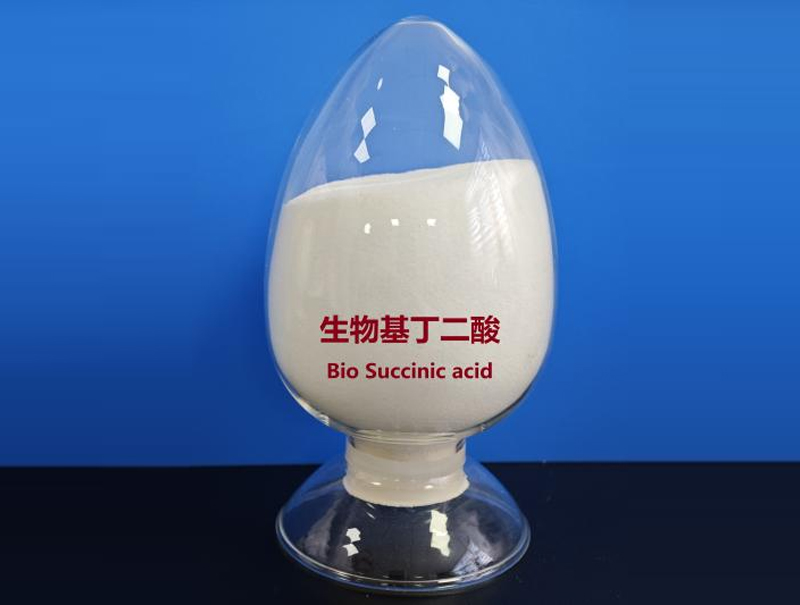
Biotin dioxide is an organic acid made from fermentation of renewable resources such as corn, also known as acetic acid, which is a key raw material for the production of degradable plastics, and many enterprises at home and abroad are expanding their production capacity.
[Use]
Biotin dioxide has a wide range of applications, with the most central use being as a "skeleton" for biodegradable materials:
Degradable plastic: It is a necessary raw material for synthetic PBS, PBST and other degradable plastic, often used in the production of shopping bags, tableware, agricultural mulch, etc., used up can be naturally decomposed.
Food and medicine: used as a sweetener and preservation agent in the food industry; In the field of medicine, it is used as an intermediate for synthetic antibacterial and anti-inflammatory drugs.
Other chemical materials: They can also be used in the production of surfactants, polyurethanes, nylon 54 and other polymer materials.
[Advantages]
Biobased routes have obvious green advantages compared to traditional petroleum based butaneic acids:
Raw materials are renewable: mainly use non-food biomass such as corn starch and straw as raw materials, and do not rely on oil and coal.
Carbon sequestration during production: Carbon dioxide is consumed during microbial fermentation, and producing 1 kg of bisphosphonate approximately stabilizes 0.37 kg of carbon dioxide, helping to reduce emissions.
Process is cleaner: bioferment is used, there is no need for high temperature and high pressure, pollutant emissions are small, and the product is naturally non-toxic, and some can be directly reached the food level.