

Bio-based Succinic Acid vs. Petrochemical Succinic Acid: Differences in Feedstock, Process and Cost
发布时间:2026-11-15 14:11:44 阅读: 作者:本站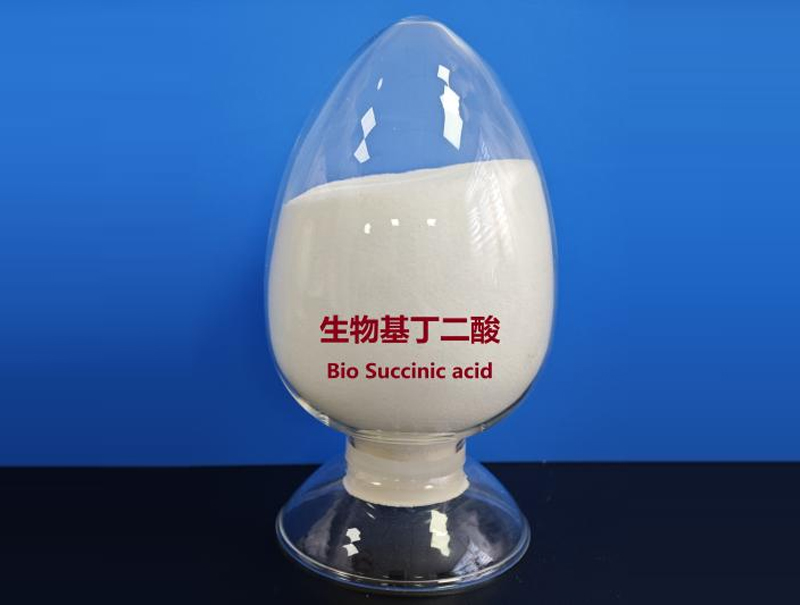
Succinic acid (also known as amber acid; CAS 110-15-6) is an important C4 platform compound. Many buyers ask at the selection stage: bio-based or petrochemical — which one should we choose?
1. Different feedstocksThe conventional petrochemical route uses fossil feedstocks such as benzene and maleic anhydride, with succinic acid obtained through hydrogenation and hydrolysis; the bio-based route instead uses renewable biomass such as corn, sugarcane and lignocellulose.
2. Different processesSuccinic acid in China is currently produced mainly by three processes: electrolysis, maleic anhydride hydrogenation and microbial fermentation. The maleic anhydride hydrogenation route is relatively mature and still accounts for more than 60% of capacity, while electrolysis suffers from high energy consumption and heavy pollution. Microbial fermentation proceeds under mild conditions with low energy consumption and low pollution, whereas the petrochemical route generally requires high temperature and pressure and generates large volumes of wastewater, waste gas and solid residue.
3. Performance is largely interchangeableIn terms of product performance, bio-based and petrochemical succinic acid share essentially the same chemical structure and properties and can substitute for each other. However, in applications with strict "green, natural" positioning requirements — food and pharmaceuticals, for example — bio-based material aligns better with market trends.
4. Costs are now competitivePreliminary estimates indicate that microbial fermentation holds a cost advantage of at least nearly RMB 2,000 over chemical and electrochemical routes, mainly in production energy consumption.
Conclusion: Where downstream products are intended for export to the EU, require bio-based certification, or must meet "dual carbon" requirements, bio-based succinic acid is the more prudent choice.
Shandong Zhuding Environmental Protection Technology Co., Ltd. supplies bio-based succinic acid samples and technical support. Inquiries are welcome.