

PBS Biodegradable Plastics Market Continues to Expand: Bio-based Succinic Acid Becomes a Key Upstream Variable
发布时间:2026-11-15 14:11:37 阅读: 作者:本站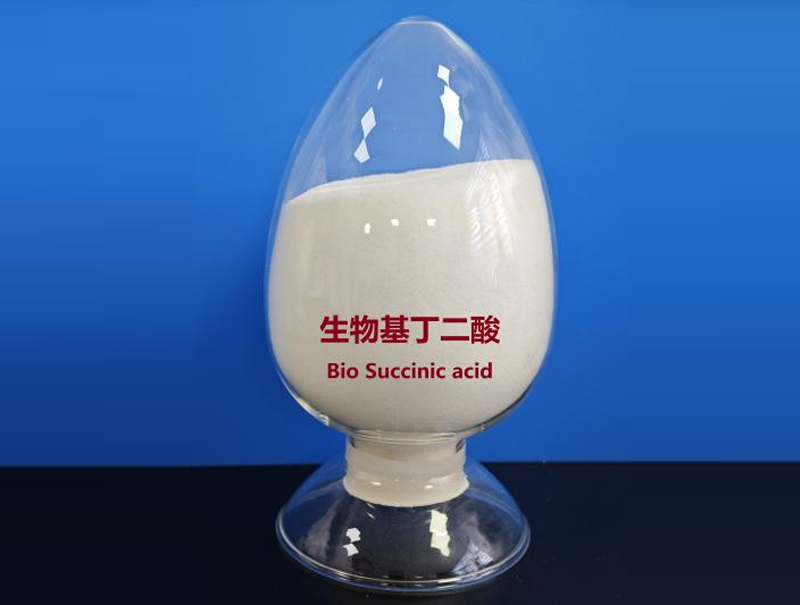
The largest downstream outlet for succinic acid is PBS, a biodegradable plastic.
Market size is trending steadily upward. One institution estimates the global PBS market at approximately USD 750 million in 2026, projected to reach USD 1.71 billion by 2033, a compound annual growth rate of about 12.5%. Another report, published in April 2026, states that the global PBS market exceeded USD 1.5 billion in 2025 and is expected to expand at a rate of more than 25% in 2026 (estimates vary considerably between institutions and are best read as a range).
China is the core supply base. By the end of 2025, global nominal annual PBS capacity exceeded 800,000 metric tons, with China accounting for more than 60% of the total. This rapid capacity growth has put pressure on the stability of succinic acid supply, making upstream bio-manufacturing a focus of investment and R&D.
Applications are broadening. Packaging still accounted for around 55% of PBS consumption in 2025, while agricultural mulch film and high-end fiber applications are expected to outpace other segments in growth from 2026 to 2030.
A note for procurement. When raw materials such as bio-based succinic acid and bio-based 1,4-butanediol (BDO) can be supplied at scale via renewable routes, the full life-cycle performance and cost structure of PBS improve markedly. In recent years, partnerships between PBS producers and bio-based feedstock suppliers have already reduced feedstock risk and strengthened competitiveness against petroleum-based products.
Looking for a stable, traceable supply of bio-based succinic acid? Shandong Zhuding Environmental Protection Technology Co., Ltd. can provide batch inspection reports and long-term supply solutions.